

Bob Keyes
Jasper Lowe
Greta Rybus
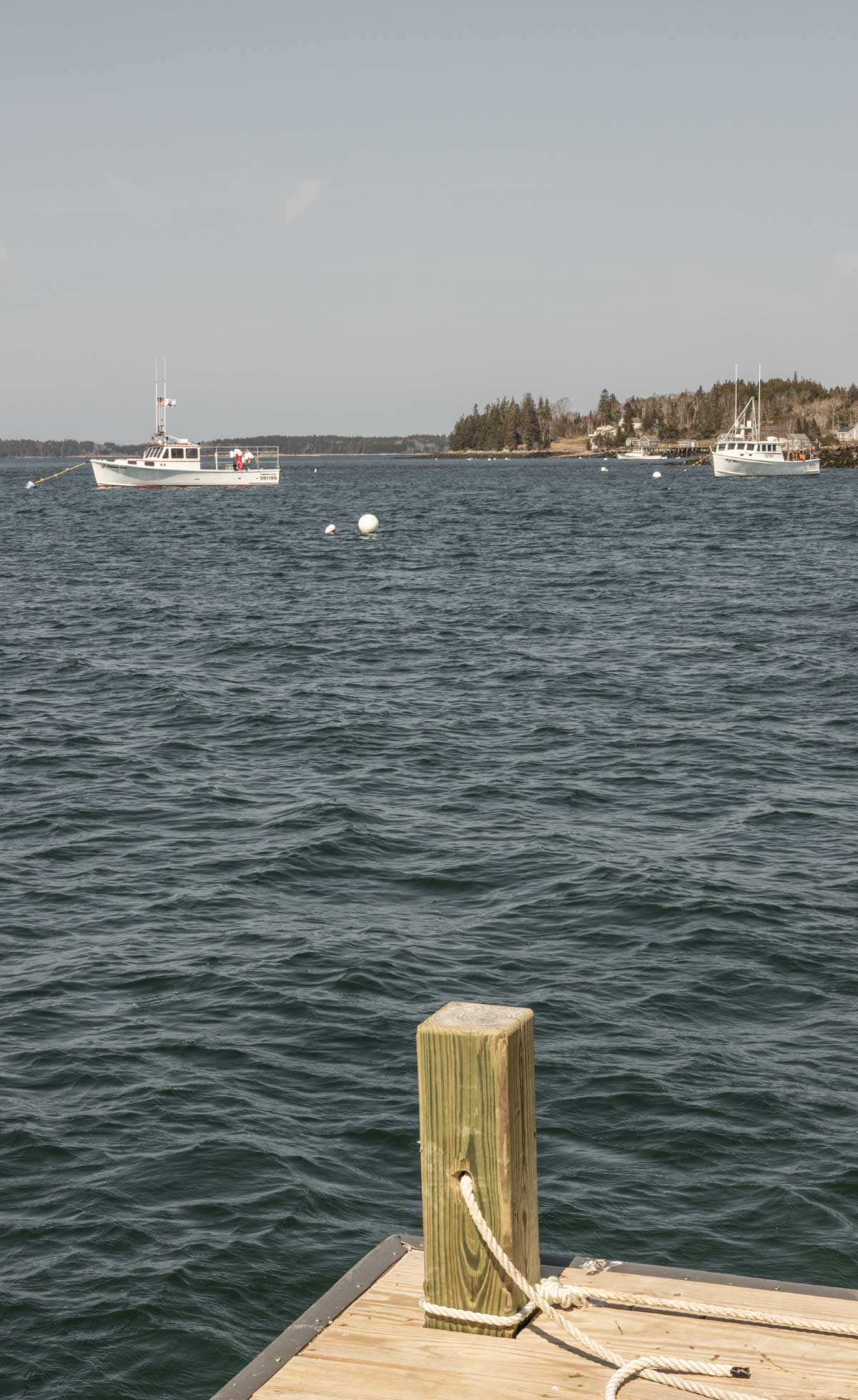
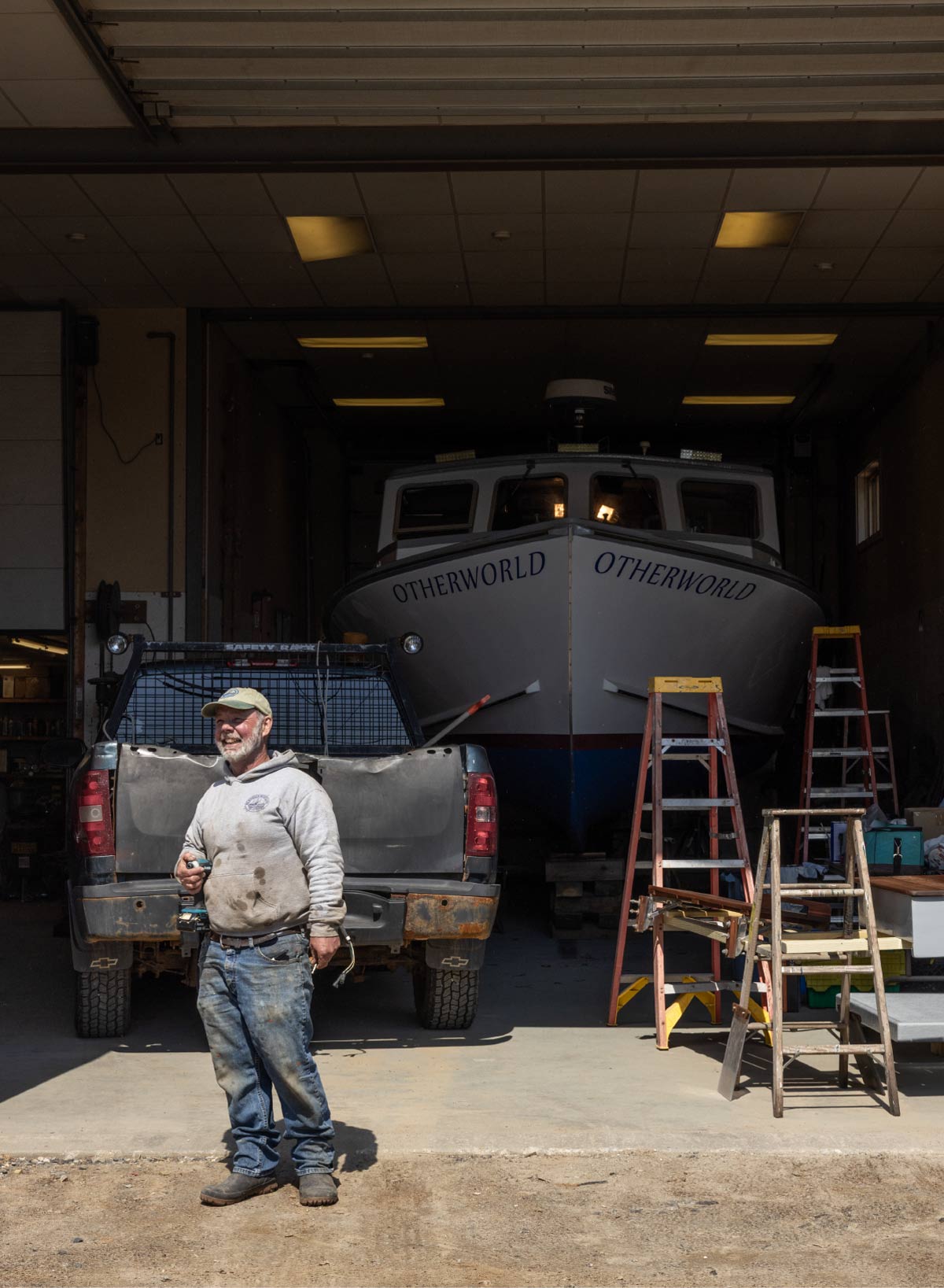
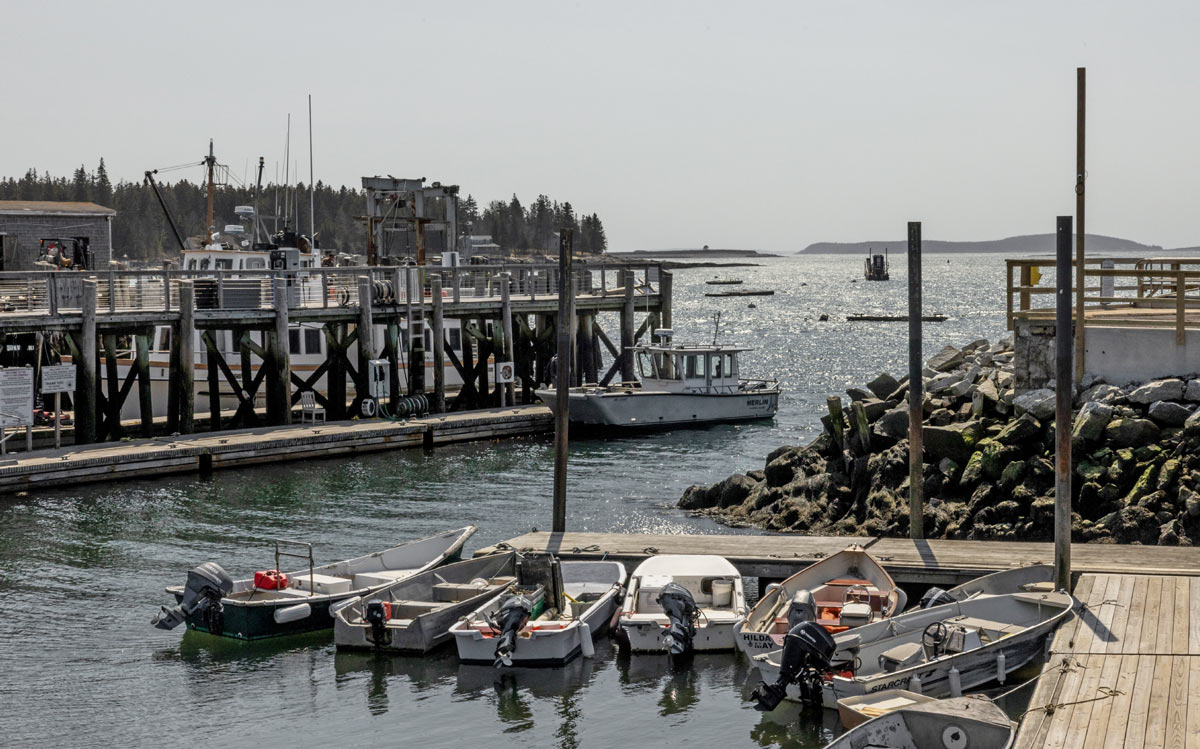
Their work took on an urgent, local focus when a fire ripped through the heart of their coastal community of Port Clyde in midcoast Maine in fall 2023, destroying the general store, a waterside restaurant popular with the painter Andrew Wyeth, and other places integral to community life.
In tandem with devastating storms that battered the Maine coast the winter after the fire, causing an estimated $90 million in damages to public infrastructure from York County to Down East, the fire underscored the vulnerability of Maine communities. It also highlighted their need to become more resilient to catastrophes of all kinds, including those that can be planned for and others unforeseen.
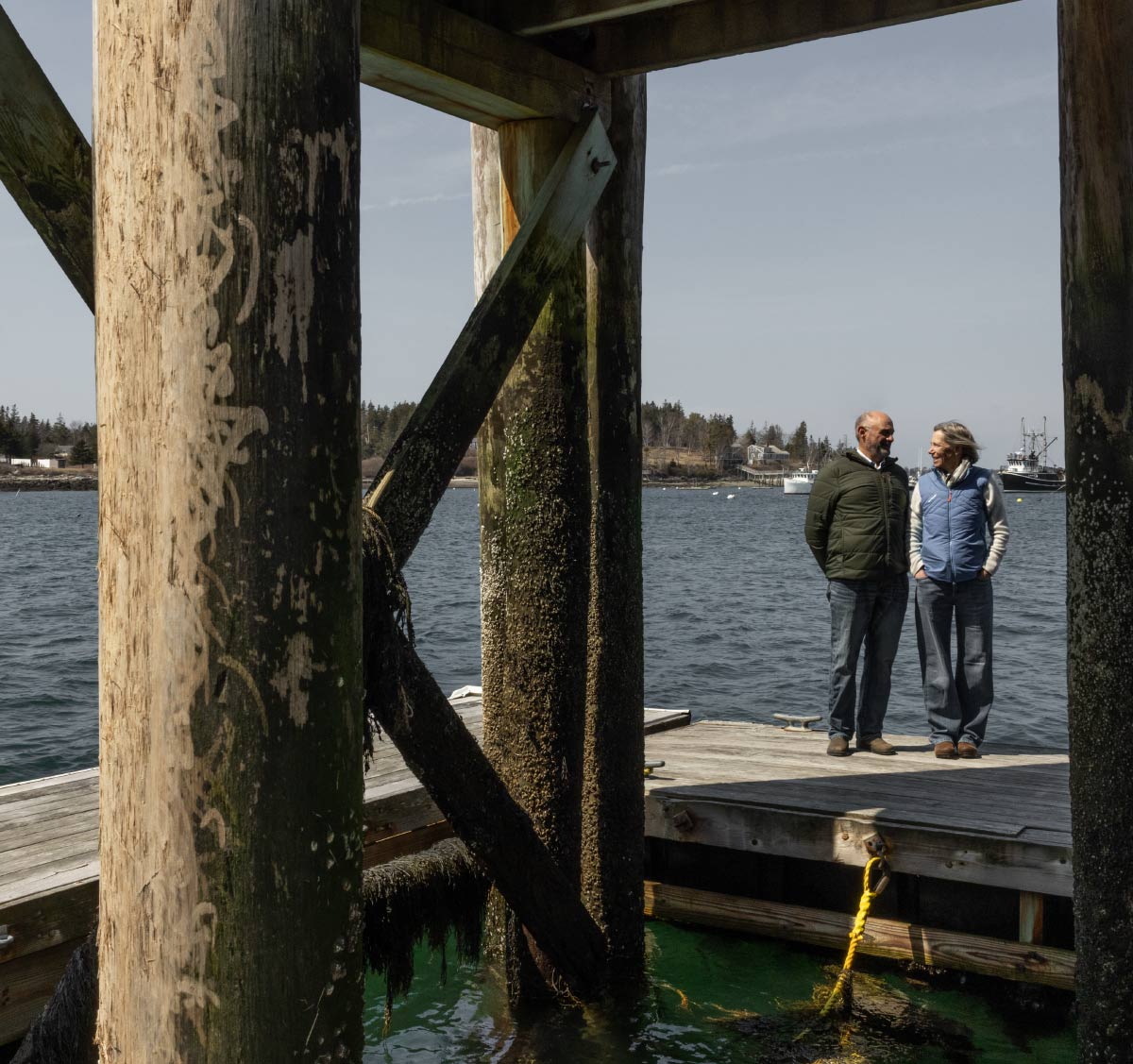
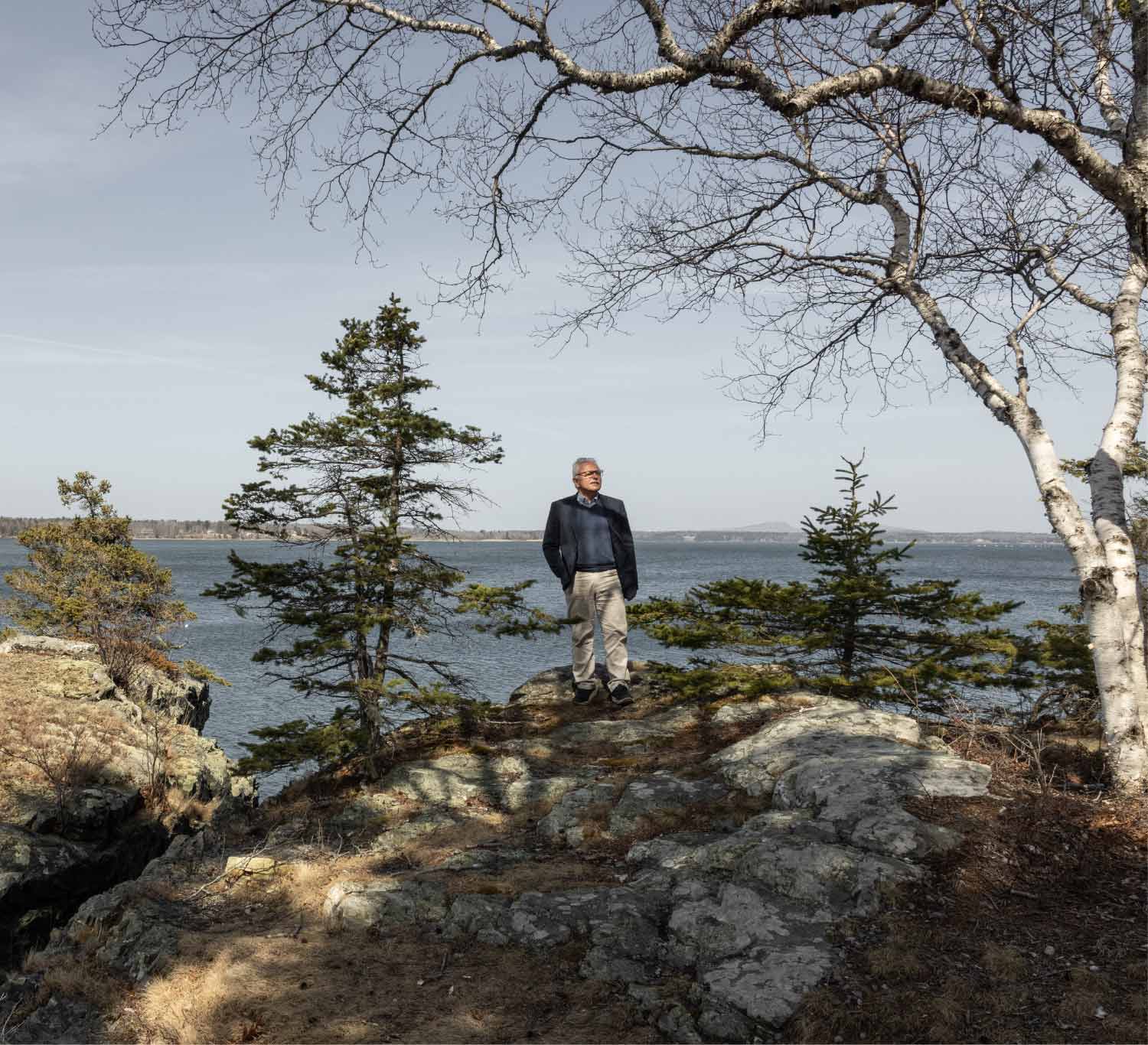
As co-chair of the Maine Infrastructure Rebuilding and Resilience Commission established in the wake of the devastating winter storms, Dan Tishman understood that needs were not limited to the Maine coast—or to natural disasters. Mill closures have had calamitous effects on their communities, as have other economic disasters stemming from single-industry dependence, hospital closures, and infrastructure failure.
(Photo by Jasper Lowe)
(Photo by Greta Rybus)
(Photo by Greta Rybus)
Colby’s Center for Center for Resilience and Economic Impact was established to help answer that question. Created in partnership with the NorthLight Foundation, the center will operate on the Port Clyde waterfront as an interdisciplinary research center dedicated to helping Maine communities find innovative ways to adapt in the face of catastrophic events.
The center is one of many recent examples of Colby leveraging its partnerships to improve the lives of Maine people while embodying the notion of a private college for the public good. In doing so, Colby has become a potent force for good across Maine, with an economic and social reach that extends far beyond Mayflower Hill.
Through a statewide investment of more than $2.5 billion from 2019 to 2024, the College is helping to revitalize communities while addressing pressing challenges across the region and across society. This work supports the College’s emphasis on empowering students and faculty to engage in research across academic disciplines to make a positive impact in Waterville, across the state, and in the communities where they reside.
By addressing real-world needs through academic innovation, Colby is working with partners across the state to ensure a resilient and robust future for its communities and people.
“Colby is a college of the world, but we’re a college that is deeply rooted in Maine, in its history, and in its place, and that is really important to us,” said President David A. Greene, articulating why Colby has leaned into its statewide relationships.
For Greene, it comes down to being a responsible neighbor and responding to the needs of the moment.
“When someone needs help, you lend a hand. That is part of the ethos of Maine, and it’s in our DNA at Colby,” he said.
Anchored by a $150-million anonymous lead commitment—the largest gift in Colby’s history—the new science initiative will elevate the College’s role in Maine’s science ecosystem. Colby plans to add engineering and applied science programs, with areas of study including biomedical engineering, environmental engineering, materials engineering, and public health.
These programs will be housed in a science complex scheduled to open in 2030. With approximately 200,000 square feet, the complex will include teaching and research laboratories, classrooms, offices, fabrication labs, specialized equipment and computing infrastructure, and gathering spaces.
The new facility and programs will deepen opportunities for students and faculty to identify solutions for some of the most vexing health and environmental issues facing the state of Maine and the country, and allow the College to build on its collaborations with science research organizations. It will also support K-12 STEM education, create an environment for rural areas to compete in science and technology, and generate 21st-century jobs in a fast-paced innovation economy.
Greene used Colby’s emphasis on public health as an example of how the College can help its community while also helping the larger world. “The needs for public health in Maine are serious, but they are not unique to Maine. There are many places, particularly rural states, where community hospitals are beginning to collapse. So the question becomes, how do you deliver quality healthcare when there are big geographic gaps between medical centers and the people who need help? This is a question that is being asked across America right now. If we can help answer it in Maine, then our solution can be replicated elsewhere. It is a state where you can try things out, have an impact, and then scale it up.”
Colby envisions the headquarters as a hub where students, faculty, and members of Maine’s tech and innovation sectors will explore new ideas and engage in collaborative projects. They will be supported in-house by the Davis Institute for Artificial Intelligence, Colby’s various academic labs that encourage creativity, research, and innovation, and Dirigo Labs, a Waterville-based startup accelerator that will have dedicated space in Levine’s Discovery Headquarters. Peers from other regional institutions of higher learning will also have access to the center.
Silicon Valley in California, the Research Triangle in North Carolina, and the bioscience hub in Boston and Cambridge all began with one or more leading academic institutions committing to innovation as a core principle and guiding ethos. Levine’s Discovery Headquarters will be much stronger if it becomes “not simply a Colby center, but the headquarters for the broader community. The goal of this project is to bring all of that together,” Greene said.
Think of it as a new-age manufacturing facility. Instead of looms or pulp vats, it will house high-end server racks and GPUs designed to solve the most complex computational problems that Maine-based startups previously couldn’t afford to tackle.
The downtown hub will operate in coordination with Davis AI, the science center, and Levine’s Discovery Headquarters. It is intended to deepen collaboration between academic institutions and the private sector, strengthening Maine’s knowledge economy and positioning the state for cutting-edge research and scalable innovation.
The high-performance computing hub will integrate the work of Dirigo Labs to benefit startup companies and small businesses that have significant computing needs, while addressing local, regional, and national challenges related to data-intensive sectors such as artificial intelligence, biotechnology, and advanced manufacturing.
The investment from the federal government will pay for computer hardware. Colby and the growth council, along with other local partners, will operate the facility.
(Photo by Greta Rybus)
“You cannot discuss economic development in Waterville, and even in Maine, without citing the contributions by the College and its associated partnerships and philanthropy and what they have done to de-risk and stimulate investment into downtown,” he said.
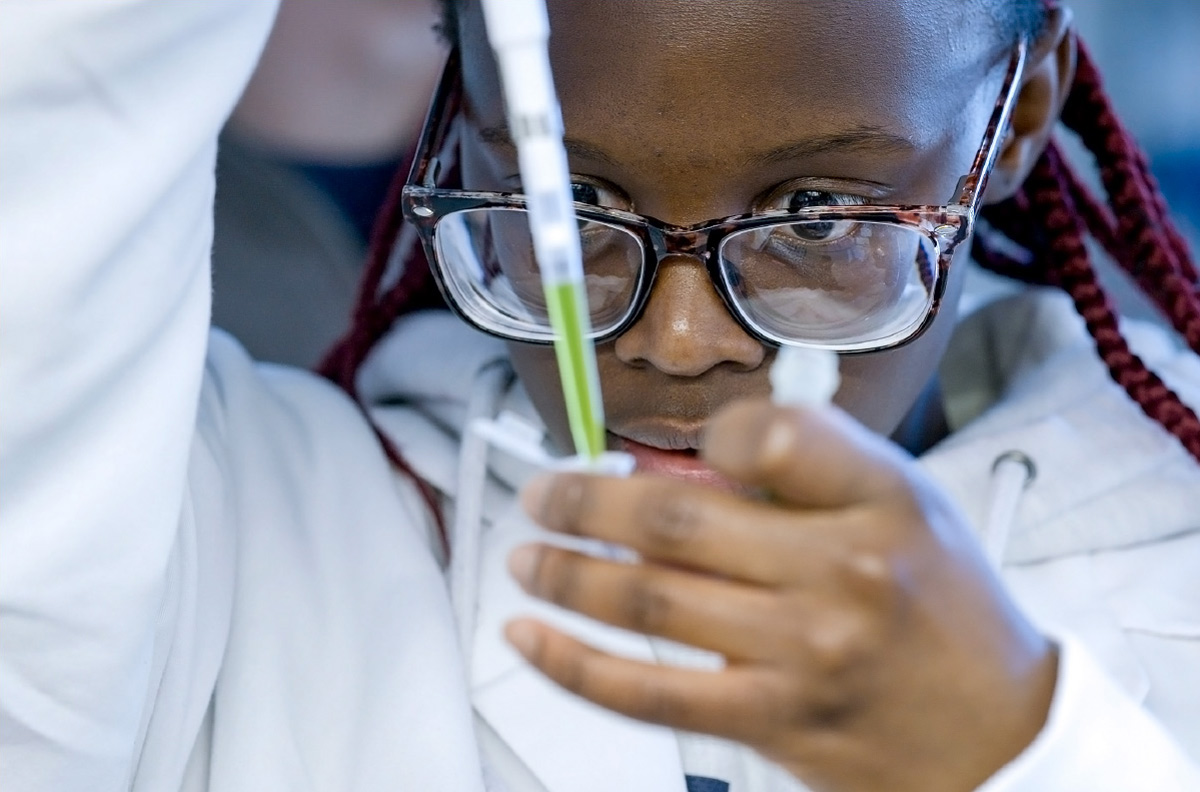
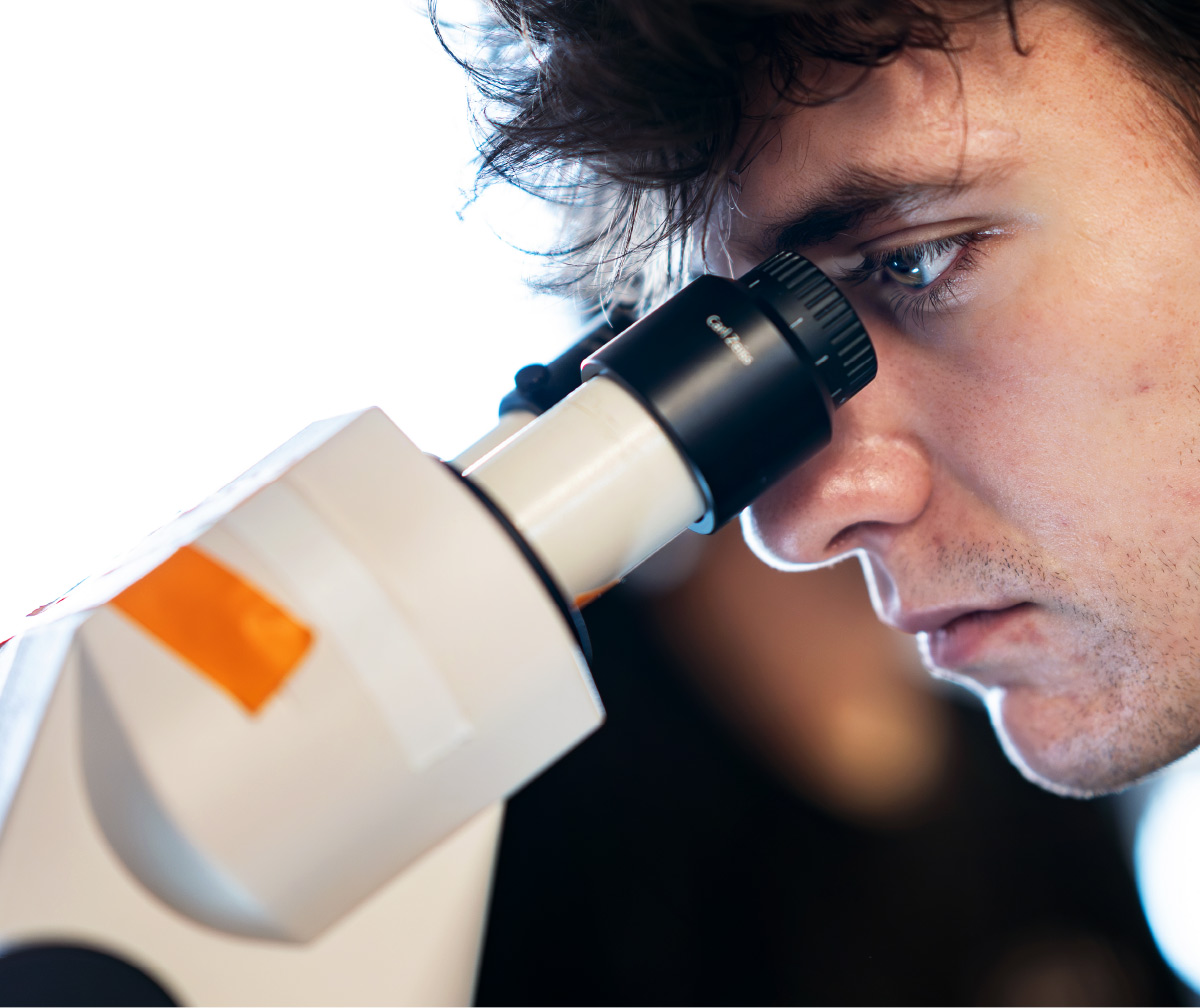
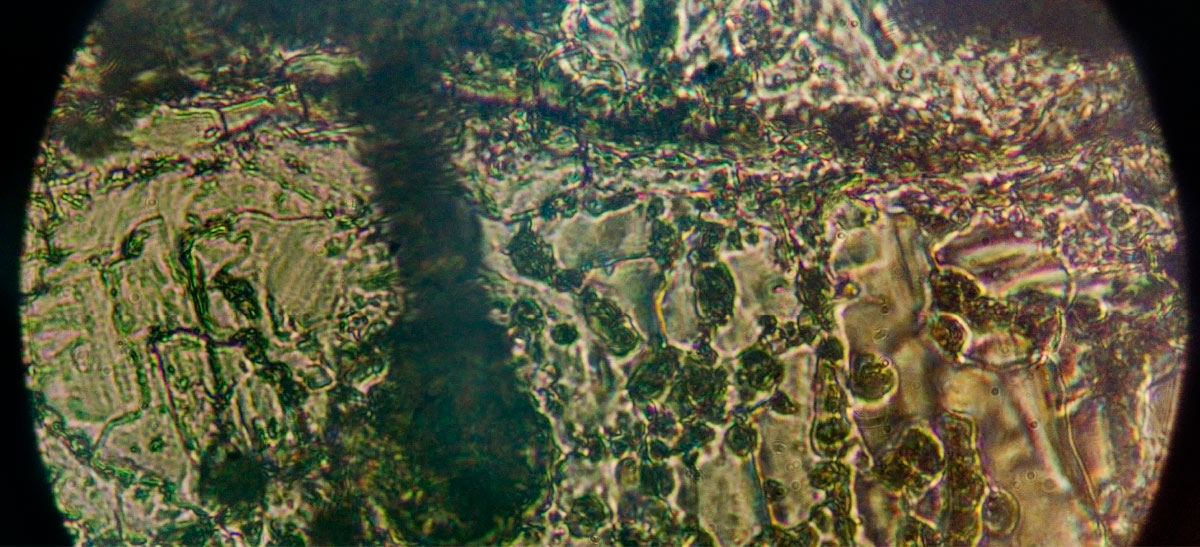
At MDI Biological Laboratory, Andrea Tilden, the Leslie Brainerd Arey Associate Professor of Biosciences and director of the Linde Packman Lab for Biosciences Innovation, has built a longstanding partnership that includes opportunities for authentic graduate-level biomedical research, workforce development, and expanding Maine’s scientific infrastructure.
The institutions have collaborated through the Maine IDeA Network of Biomedical Research Excellence (INBRE), a federally funded network, on Jan Plan courses, research fellowships, internships, and mentorship from world-class scientists. The partnership has recently expanded into biotech training and bio-entrepreneurship, dovetailing with the ramp-up of Colby’s investment in science and technology.
Dr. Hermann Haller, president of MDI Biological Laboratory, said the collaboration with Colby has directly contributed to workforce development in Maine, especially in biomedicine. Colby’s planned science complex will elevate and enhance existing opportunities for collaboration, he said. “In the future, there will be much more possibility because of this new science complex at Colby.”
The lab supports interdisciplinary research, immersive learning, and direct collaboration with policymakers, thought-leaders, and lawmakers throughout the country, and especially in Maine. Rhiannon Hampson, vice president of economic development at GMRI, and Nikki Yanok ’12, climate finance specialist with GMRI, had a timely project in mind for Colby students.
Since the winter storms that wreaked havoc on coastal infrastructure two years ago—in Port Clyde and elsewhere up and down the coast—GMRI has explored how property insurance impacts the state’s working waterfront. Colby students contacted wharf owners, town managers, planners, harbor masters, and others to learn who was insured, what funding mechanisms were in place after the storms, and if rebuilding was possible. They built a database and collaborated with other organizations working on the same issue.
Yanok was impressed by the students’ commitment and is eager to continue the partnership with Colby and the Bram Public Policy Lab. “They were very flexible in terms of hearing from us what gaps in our knowledge we were looking to fill, and how they could best help and support us. They did a phenomenal job,” she said of the students’ efforts. “We are looking forward to continuing that partnership as well as to really dive deeper into the work.”
(Photo by Greta Rybus)

(Photos by Ashley L. Conti)
(Photos by Jasper Lowe)
Work to improve other structures is ongoing, as well. Eventually, students and scholars will take up residence in the Seaside Inn, a 12-room structure built in 1847, where they will live while doing their work to help Maine communities become more resilient.
“We feel like Colby is so responsive, and really energized,” said Sheryl Tishman, who began learning about Colby’s community work after the College acquired Allen and Benner islands and created the Island Campus in 2022.
“There is so much potential. They have these inquisitive students, they have this great staff. And they also have such a great track record with Waterville and engagement in that community. It’s a puzzle to bring back life and energy into a small town, and we think this is one piece of that puzzle.”